

The Business Case for Moving Workplace Services Into ServiceNow: Efficiency, Cost Savings & Better Employee Experience
A guide to help FM & Real Estate leaders justify the investment
Facilities and Real Estate teams are under increasing pressure to deliver faster service, reduce operational costs, and support a modern employee experience. Yet most workplace service functions still rely on shared inboxes, spreadsheets, point solutions, or legacy IWMS workflows that were never designed for today’s hybrid workplace.
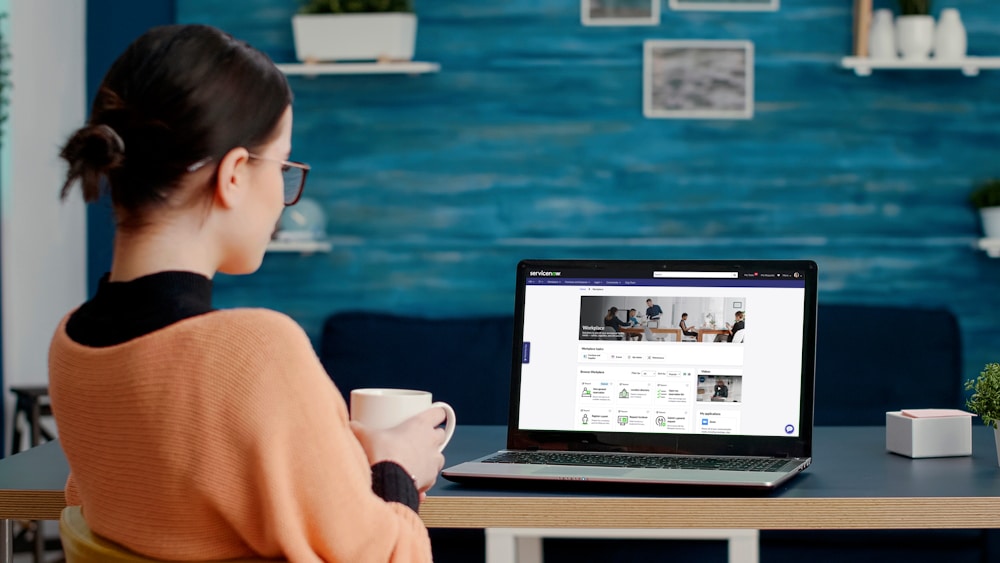
ServiceNow Workplace Service Delivery (WSD) changes that. By bringing all workplace services into a single, enterprise‑grade platform, FM/RE teams gain the transparency, automation, and speed needed to run like a modern service organization.
Here’s how to build the business case.
1. Centralized Service Delivery
Most workplace service operations are fragmented—work orders in one system, help desk requests in another, vendor activity in email, and employee tickets spread across multiple portals. This creates delays, lost requests, and little visibility into trends.
ServiceNow centralizes everything into one operational backbone, giving FM/RE teams:
- A unified queue for every workplace service
- Standardized intake forms and workflows
- Consistent routing and prioritization
- Real‑time visibility into status, assignments, and bottlenecks
The result: fewer handoffs, fewer misses, and a more predictable service operation.
2. Cross‑Department Workflows
Facilities, IT, HR, security, and real estate don’t operate in silos—but their systems often do. A single workplace request (e.g., a new hire setup or a space move) requires multiple teams to coordinate.
ServiceNow enables true cross‑department workflows, including:
- Shared tasks and dependencies
- Automated handoffs between FM, IT, and HR
- A single audit trail for multi‑team requests
- Faster resolution without back‑and‑forth emails
This interlock is essential for hybrid work, where employee needs span multiple service groups.
3. One Place for Employees to Go
Employees shouldn’t have to guess where to submit a request or hunt through an intranet to find forms.
ServiceNow gives employees one entry point for all workplace needs:
- Space reservations
- Maintenance and repair requests
- Amenities and services
- Move requests
- Visitor management
- Equipment provisioning
A single, mobile‑friendly portal boosts adoption, reduces noise, and stops requests from disappearing into email voids.
4. Automated SLA Tracking
Most FM/RE organizations want to operate with SLAs—but lack the systems to measure them effectively.
ServiceNow tracks SLAs automatically:
- Time to assignment
- Time to first response
- Time to resolution
- Escalations and breaches
- Technician or vendor performance
Automated SLA monitoring allows leaders to prove service quality, negotiate vendor contracts, and optimize staffing based on real data—not assumptions.
5. Reduced Backlog & Shorter Cycle Times
Backlogs grow when requests are manually triaged, routed incorrectly, or sit unassigned. Cycle times lengthen when technicians lack the information needed or when tasks hop between departments.
ServiceNow reduces both through:
- Dynamic assignment rules (skills, location, workload)
- Guided workflows with complete request details
- Real‑time dashboards and aging alerts
- Automated escalations
FM teams can finally see where work gets stuck—and fix it.
6. Lower Cost Per Request
When workplaces modernize service delivery, the ROI is clear:
- Fewer manual touches
- Less admin overhead
- Faster turnaround times
- Better use of labor and vendor resources
- Reduced rework due to incomplete or lost requests
ServiceNow provides the data to measure these improvements, helping FM/RE leaders demonstrate hard cost savings and efficiency gains over time.
Conclusion: Why Now Is the Right Time
As organizations push for higher efficiency and better employee experience, workplace services must operate like any other enterprise service function—transparent, trackable, automated, and connected.
ServiceNow is the only platform that unifies workplace operations with IT, HR, security, and digital workflows. For FM/RE teams, the business case is compelling:
- Better service
- Lower cost
- Higher employee satisfaction
- Stronger operational control
- A scalable foundation for the future of work
If your organization is looking to modernize workplace services, ServiceNow WSD offers the clearest, most measurable path forward.

About IMS Consulting:
For over a decade, IMS Consulting has been at the forefront of delivering comprehensive services across multiple platforms, including Archibus, ServiceNow, and ESRI, to our diverse clientele in both public and private sectors. As a dedicated small business, we offer personalized attention from experienced and certified consultants. Our experts collaborate closely with clients to gain a deep understanding of their operational processes, identify unique requirements, and uncover opportunities for enhanced management of their infrastructure. We are committed to helping you make informed capital budgeting decisions that yield benefits today and sustainably into the future.